
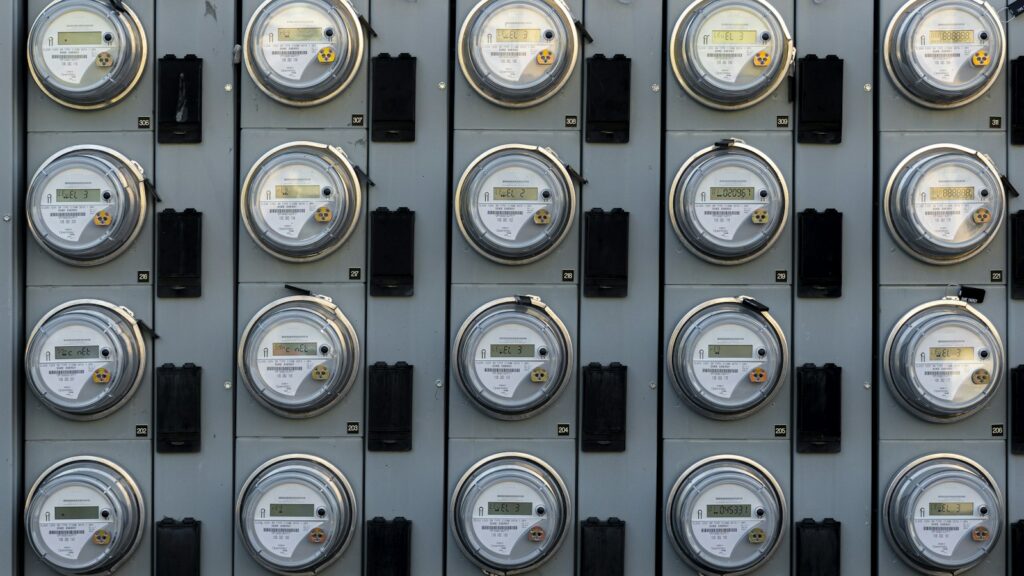
On 4 November 2026 the government published its factsheets for the Energy Independence Bill. One of them deals with smart meters, and it tells suppliers something important: the rollout is not winding down. It is turning into a long operational programme that runs well into the next decade.
What the Bill does
The government’s powers to direct the smart meter rollout, set supplier obligations and introduce consumer protections are due to run out on 1 November 2028. The Bill would extend them to 1 November 2033.
That date lines up with the 2030 policy framework for smart metering, which aims to complete the rollout by the end of 2030 and move the industry onto the 4G communications network by 2033. Without new legislation, the government says, losing those powers in 2028 would be highly likely to hinder the rollout. It puts the net benefit of the rollout, after all costs, at £6 billion.
What suppliers are already signed up to
The Bill sits on top of obligations that are already live. Ofgem’s post 2025 smart metering policy framework came into force in May 2026. It requires suppliers with more than 20,000 domestic meter points to take all reasonable steps to install smart meters in all remaining domestic premises by the end of 2030.
The installation target is only part of it. Ofgem sets out four strands of work running side by side:
- new installations in homes with traditional meters, from 2026 to 2030
- fixing smart meters that are not working in smart mode within 90 days, on an ongoing basis
- upgrading older SMETS1 meters where needed, from 2026 to 2033
- replacing communications hubs affected by the 2G and 3G network switch off, from 2026 to 2033
On top of that, Ofgem’s new guaranteed standards of performance for smart meters took effect in February 2026, bringing automatic compensation when installations or repairs go wrong or take too long.
Why this is a data problem as much as an installation problem
Put those strands together and the shape of the next seven years becomes clear. Every installation, exchange, comms hub swap and fault fix creates records that have to line up across meter, registration and billing systems. When they do not, reads fail, meters drop out of smart mode, bills go out on estimates and customers get in touch.
Two changes raise the cost of getting that wrong. First, the 90 day fix requirement and the guaranteed standards turn slow fault handling into a compliance and compensation issue. Second, market wide half hourly settlement is now well advanced, so poor meter data feeds straight into settlement, with shorter windows to put it right. Our MHHS update after M14 covers where that programme stands.
What suppliers can do now
The suppliers who handle this well will treat meter data as an operational discipline rather than a back office tidy up. That means knowing at any moment which meters are not communicating, which exchanges have left records out of step and which faults are getting close to the 90 day line, then working those exceptions before they turn into complaints or compensation.
That is the work our approach to meter data management is built around. OptiFlow for energy suppliers sits on top of your existing systems and works through data exceptions, failed reads and customer contacts, flagging only what needs a person. It does not replace your billing or metering platforms.
If you want to talk through where your meter data stands, get in touch.
Frequently asked questions
When will the smart meter rollout finish?
The government’s 2030 policy framework aims to complete the rollout by the end of 2030, with the industry moving onto the 4G communications network by 2033.
What does the Energy Independence Bill change for smart meters?
It would extend the government’s powers to direct the rollout, set supplier obligations and introduce consumer protections from 1 November 2028 to 1 November 2033.
Which suppliers have to meet the 2030 target?
Ofgem’s post 2025 framework applies to suppliers with more than 20,000 domestic meter points. They must take all reasonable steps to install smart meters in all remaining domestic premises by the end of 2030.
Sources: GOV.UK Energy Independence Bill factsheet, Ofgem supplier installation targets, GOV.UK on the new smart meter standards